
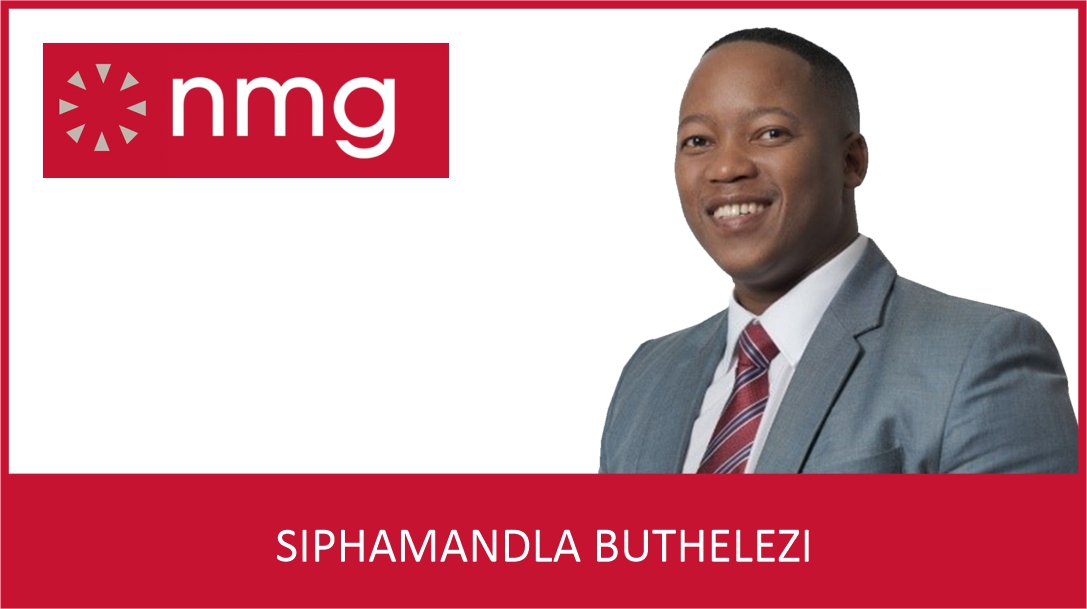
Siphamandla Buthelezi, Executive Head of Platforms at NMG Benefits
EBnet: What are NMG’s high level views of the results of the survey?
NMG: The survey reveals a fragmented picture of how administrators are handling the costs of implementing the Two-Component System. Some absorbed the costs, others passed them on to members through increased fees or transaction charges, and a few seem to have made no investment at all, raising red flags about fairness and consistency. There’s also growing concern around cross-subsidisation, where members who don’t withdraw may end up covering the costs for those who do, and newer or short-term members may be carrying more than their share of the burden.
It’s also clear that while the system reform is in full swing, the industry hasn’t kept pace in terms of digital readiness. Most withdrawals still require paper-based processes, with limited access through digital channels, an area ripe for improvement. With many administrators uncertain about future costs and how they’ll recover them, the FSCA is rightly stepping in to ensure fees are transparent, fair, and justifiable across the board.
EBnet: What challenges has NMG encountered in processing two-pot withdrawals (e.g., system delays, high request volumes, or verification issues), and how have these affected fee structures?
NMG: Since the implementation of the Two-Component System, NMG, like many in the industry has navigated several operational challenges associated with processing savings pot withdrawals. A key priority was ensuring our systems could support the new structure, which required the rapid adaptation of core administration platforms to accommodate the split between retirement and savings components. While this work was completed within tight timeframes, it understandably came with some initial processing and data transition challenges.
The introduction of annual access to a portion of savings also led to a substantial increase in withdrawal requests, particularly from members experiencing financial hardship. Managing this surge, while maintaining service excellence, placed additional pressure on teams and infrastructure especially where certain processes still rely on manual documentation or legacy systems.
Enhancing verification and fraud prevention measures added further complexity. Implementing robust safeguards to protect both members and funds required careful handling, which at times affected turnaround times and increased administrative effort. As an organisation committed to both security and efficiency, we have worked diligently to strike a fair and effective balance.
These operational demands carried cost implications. While NMG absorbed the majority of the initial impact to shield clients from abrupt changes, a modest adjustment was necessary. As a result, an administration fee increase of 2.8% was introduced in September 2024 to help cover the enhanced system capabilities and ongoing compliance requirements.
The rollout of the Two-Component System has tested the responsiveness and resilience of the industry. At NMG, we view this as an opportunity to refine our processes, enhance digital capabilities, and continue delivering services in a way that is transparent, client-centric, and future-ready.
EBnet: 42% of administrators charged a savings pot withdrawal fee or increased their base admin fees, or both. I see NMG charged a transaction fee of between R85 and R600 to process each savings pot withdrawal claim. Can you talk retirement fund members through why this fee needs to be charged?
NMG: Processing a withdrawal from a savings pot is not a simple transaction. It involves several critical steps to protect members and ensure compliance with regulations. This includes verifying the member’s identity, confirming entitlement, applying anti-fraud checks, and securely processing payments. These steps often require system support, staff involvement, and sometimes manual handling, especially when applications are incomplete or paper based.
The fee charged reflects the actual cost of administering these withdrawal requests. It is only fair that those who choose to make a withdrawal bear this cost, rather than spreading it across all members through increased ongoing fees. This approach balances fairness with maintaining the quality and security of our service.
We remain committed to regularly reviewing these fees as the volume and cost of processing withdrawals stabilise. Our priority is to provide an efficient, transparent, and member-focused service, aligned with regulatory requirements and our fiduciary duty.
EBnet: Did NMG increase their ongoing, or what the FSCA calls the base, administration fees due to two-pot?
NMG: To support the system developments and innovation required by these changes, NMG was forced to increase fees associated with the installation and management of the Two Pot system. So, a 2.8% increase was introduced in September 2024.
EBnet: How does NMG plan to manage ongoing costs for administering the two-pot regime, and will these lead to future fee adjustments or alternative cost-recovery methods?
NMG: NMG does not foresee any further fee increases related to the administration of the Two-Pot regime going forward. Unlike many other fund administrators who have raised fees with every regulatory change, NMG has maintained stable fees despite multiple regulatory requirements over the years.
The introduction of the Two-Pot system was an exception due to its complexity. It required significant investment in system upgrades, process redesign, and additional staffing to ensure full compliance and maintain service quality. These intensive changes justified the current fee adjustment.
However, with these improvements now in place, we do not anticipate any further fee increases connected to the Two-Pot regime. Our approach remains focused on delivering efficient, compliant administration without passing unnecessary costs on to our members.
EBnet: The FSCA point out that the initial investment in two-pot implementation will be recovered around year 3, will NMG be reducing their ongoing fees once these costs have been funded?
NMG: NMG acknowledges the FSCA’s observation that the initial investment in the Two-Pot implementation is expected to be recovered around year three. Once these upfront costs have been fully recouped, we will review our fee structure accordingly.
While we cannot commit to specific fee reductions at this stage, it is our intention to keep ongoing fees fair and reflective of actual administrative costs. Any decision to adjust fees will be carefully considered to balance cost recovery with providing value and maintaining the quality and compliance standards our members expect.
EBnet: I want to focus for a minute on the 40% of administrators who advised that they “absorbed” the cost impacts of two-pot. Perhaps explain that a bit more for trustees and manco’s why these administrators might have been able to do that?
NMG: While we understand the feedback from various administrators, it’s important to note that many of those respondents are in-house administrators for self-administered funds, often serving a single client and without the scale or investment capacity of larger, commercial administrators like ourselves. In contrast, most administrators managing multiple stand-alone or umbrella funds have found it necessary to introduce fee adjustments either through general increases or specific claim-based fees, as absorbing rising costs indefinitely simply isn’t sustainable.
At NMG, we’ve made significant investments in modernising our systems, including our industry-leading “Pot Bot” WhatsApp tool, which enhances member communication and streamlines claims. Despite this, we implemented only a modest increase in our overall admin charges, and our per-claim fees remain among the lowest in the industry for small claims. This approach reflects our “Member First” philosophy, yes, there’s some degree of cross-subsidisation between larger and smaller claimants, but that’s not unique to the Two-Pot system; it’s a principle that underpins many financial products. Importantly, we consulted extensively with our clients, employers, and boards of trustees about these changes, and they’ve largely supported the balanced and fair approach we’ve taken.
EBnet: Let’s talk about the cross subsidisation of fees that the FSCA raises. In my mind, there are two instances: 1 is where those members who don’t withdraw pay higher base fees to recover the costs of those who do, and the second is where future administration fees are now higher to recoup the initial investment – which the FSCA notes as being as much as over 1 550% the cost experienced – meaning future members subsidise current members. Your comments.
NMG: At NMG, the 2.8% administration fee increase was applied across all members, not solely those making withdrawals from the Two-Pot savings component. This was necessary because the changes brought about by the Two-Pot reform affected the entire administration process, including how contributions are allocated and reported, irrespective of whether a member chooses to withdraw or not. The system enhancements and operational changes had a broad impact across the full member base.
Then when it comes to Two-Pot Processing fees (these fees only affect people withdrawing from their Savings Pot), we took a deliberate and responsible approach by introducing a scaled fee structure. This was informed by a comprehensive internal and market assessment, and we are confident in both the methodology and the fairness of the outcome. While some degree of cross-subsidisation exists particularly from members with larger claims to those with smaller claims, we have ensured that no member is charged more than is reasonable or necessary. In fact, the scaling mechanism allows us to ease the cost burden for members making smaller withdrawals, thereby promoting equitable access.
Importantly, NMG has also chosen not to charge higher fees for manual claims processing. We recognise that not all members have the same access to digital platforms, and charging more for manual submissions would unfairly penalise those with limited connectivity or technological access. We remain committed to an inclusive and fair administration model that supports all members equally.
EBnet: To wrap up, could you see a reality where administrators start looking at alternative fee models (for example, pay per service models)?
NMG: Yes, we can see a future where administrators begin exploring alternative fee models, such as pay-per-service approaches. As the landscape becomes more complex especially with reforms like the Two-Pot system there’s growing interest in fee structures that more accurately reflect the services members actually use.
A pay-per-service model can offer greater transparency and fairness in certain cases. It allows fees to be tied directly to specific actions, like a withdrawal or claim rather than bundled into a flat, ongoing cost. That means members who engage more with the fund would cover more of the cost, while those who don’t could benefit from lower base fees. It’s a model that could reduce unintended cross-subsidisation and make the true cost of administration clearer to all parties.
That said, this kind of shift would need to be handled with care. It introduces complexity, and we’d need to make sure it doesn’t disadvantage members who may be less engaged or more vulnerable. Any move in this direction would require thoughtful engagement with trustees and stakeholders to ensure fairness and accessibility are maintained.
At NMG, we’re keeping a close eye on how the market evolves. While we remain focused on maintaining fair, transparent, and sustainable fees under our current model, we’re open to innovation—so long as it continues to serve the best interests of all members.
EBnet: Anything you’d like to highlight that haven’t covered in our conversation today?
NMG: As much as we appreciate the work the FSCA did regarding the fees charged in relation to the Two-Pot System, the FSCA can’t formally control or set the fees charged by fund administrators unless there’s a specific law or regulation that gives them that authority.
Right now, the FSCA plays more of an oversight and guidance role. They can highlight concerns, encourage fair practices, and ask tough questions especially around transparency and whether members are getting good value for money. But they don’t currently have the legal power to say, “this is how much you can or can’t charge,” unless that’s written into legislation like the Pension Funds Act or related regulations. That said, the FSCA can still influence the conversation. They can put pressure on the industry through reviews, guidance notes, or by asking trustees to explain the fees they’ve approved. And they can take issue with fees that seem unreasonable or poorly justified, particularly if they believe members are being treated unfairly. But at the end of the day, unless the law changes, trustees remain responsible for negotiating and approving administrator fees and for making sure those fees are fair, necessary, and in the best interests of their members.
ENDS